
It might sound odd at first — a fast‑paced mobile game and the slow, contemplative world of antiques — but www chicken-road-game2 com has quietly found a place in discussions around digital‑meets‑retro culture. Antique collecting has long been about objects with history and age — items that are decades or centuries old and tell a story about a time long gone. Antiques can be rare furniture, old maps, or vintage tools passed down through generations, and their appeal lies in nostalgia and history.
In recent months, hobbyist forums and online vintage communities have begun to include digital culture references alongside discussions of physical collectibles. This might seem surprising, but it reflects a broader shift in how people think about “old and new.” Just as vintage maps, globes, and decorative objects hold weight because of their age and rarity, some collectors are starting to see early mobile games, classic handheld titles, and even simple modern hits like Chicken Road as part of a digital past worth preserving. The game doesn’t have real antiques in it, but conversations around it often include nostalgia for early mobile gaming and comparisons to older collectible items.
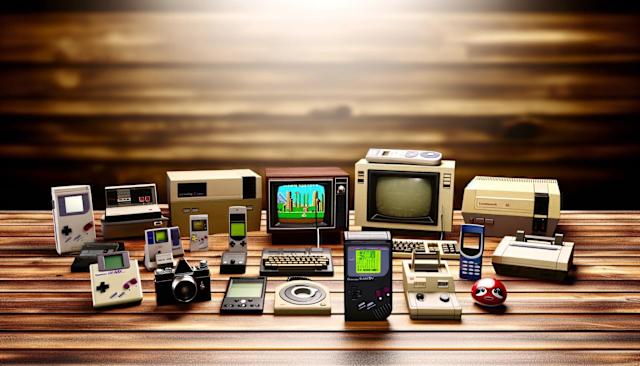
Antique dealers and collectors online have shared creative displays where vintage tech — old phones, retro consoles, and early portable devices — are shown side by side with contemporary screenshots and icons from games like Chicken Road. These juxtapositions are not about financial value, but about cultural memory: they highlight how society’s relationship with games and gadgets has changed over time, just as styles and manufacturing techniques evolved in physical antiques.
What’s especially interesting is the way this crossover reveals how digital experiences rapidly become part of personal history. People who once collected vinyl records or old books now find themselves saving screenshots and archived versions of mobile games for sentimental reasons. In some online antique‑enthusiast threads, you’ll see posts contemplating whether early digital games will someday be considered “antiques” themselves — not because of physical age, but because they represent a distinct era of cultural experience.